Rose tea has a beautiful color and rich aroma, making it a popular health tea drink among the public. However, rose petals are lightweight, sugar rich, and fragrant. During drying, storage, and processing, they are prone to breeding insect eggs and microorganisms, which not only affects the quality of tea drinks but also shortens their shelf life. At present, the mainstream insecticidal and sterilization methods in the flower tea industry are mainly microwave insecticidal and irradiation insecticidal. There are significant differences in the process principles, processing effects, product appearance, and market adaptability between the two methods. Let's analyze them together.
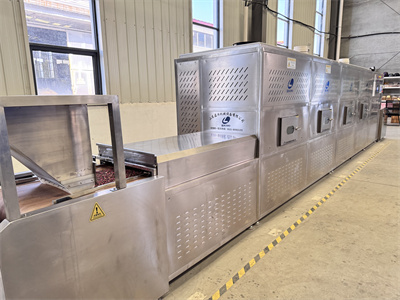
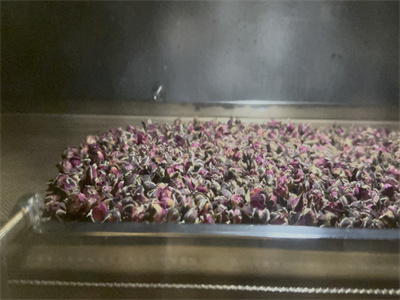
Microwave insecticide is currently the mainstream green technology in flower tea processing, with the core principle being low-temperature internal heat insecticide. Microwaves can penetrate the interior of rose petals, allowing water molecules in the material and eggs to rapidly vibrate, rub, and self heat up. In a mild low temperature environment of 55 to 75 degrees Celsius, they can destroy the protein structure of eggs, larvae, and bacteria, achieving insecticidal and sterilization. The entire process is a physical thermal processing, and the biggest advantage is that it can kill insects and dry simultaneously. While killing pests, it also takes away excess moisture from the flower tea, ensuring that the moisture content of the finished product meets the standard and avoiding later moisture regain, mold growth, and insect infestation.
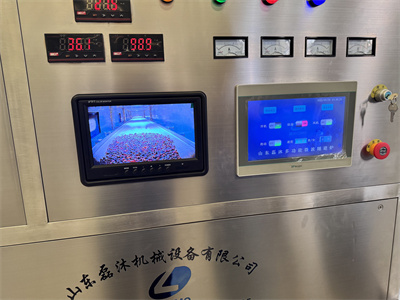
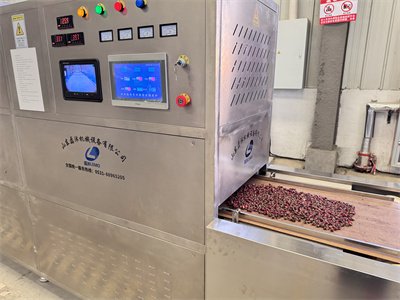
In terms of processing and quality, microwave technology is suitable for continuous production on assembly lines, and the equipment can be directly connected to the flower tea processing production line for processing as needed. The processed rose tea has a natural color and intact floral fragrance, with almost no discoloration or flavor changes. And the process has no chemical residues, no component damage, and meets the natural food processing standards.
But the limitation is that the microwave penetration is limited, and the material needs to be evenly spread and processed, making it impossible to directly process the entire box of finished products.
Radiation insecticidal treatment relies on the cold sterilization process of high-energy radiation, with almost room temperature throughout the process and almost no temperature changes. The principle is to destroy the genetic sequence of insect eggs and microorganisms through radiation, making them unable to reproduce and survive. It is thoroughly insecticidal and has extremely strong penetration power. It can directly process finished flower tea in sealed boxes without unpacking and spreading, making the operation convenient.
Although low-temperature processing using irradiation technology can preserve the original color of flower tea, high doses of radiation can damage the essential oils and nutrients in rose tea, resulting in a dull floral aroma, poor taste, and some flower tea may also experience oxidation and dullness. At the same time, there are almost no domestic enterprises that build their own irradiation equipment, and processing requires outsourcing, resulting in long transportation cycles and high production costs. In addition, according to national food regulations, irradiated processed foods must be clearly labeled on the outer packaging, which may limit the product's sales to some extent.




 QQ
QQ