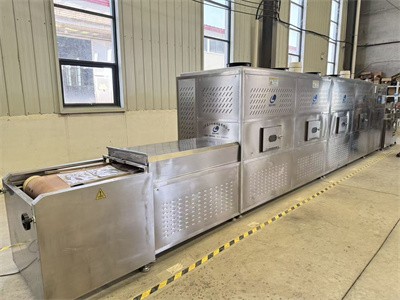
Microwaves can carry out sterilization treatment on packaged cooked food, but not all packaged cooked food can be directly processed. There are clear requirements for packaging material, product form, process parameters, and verification testing. Only when the conditions are met can stable sterilization be achieved while avoiding production risks.
1、 Packaging materials must comply with microwave processing requirements
Packaging is the primary prerequisite, and unqualified materials can cause problems such as sparking, bag melting, and migration of harmful substances.
1. It is strictly prohibited to use packaging containing metal materials, such as aluminum foil bags, aluminum plated films, and packaging bags with metal ink printing. Metals can reflect microwaves, generate electrical sparks, damage equipment, and pose safety hazards.
2. Choose food grade packaging materials that are microwave penetrable and heat-resistant; The heat-resistant temperature of the material needs to be higher than the maximum temperature during the sterilization process to prevent softening and deformation due to heat, while meeting the national standard requirements for food contact materials to avoid substance migration and contamination of cooked food at high temperatures.
2、 The packaging must be properly depressurized to prevent bag swelling and breakage
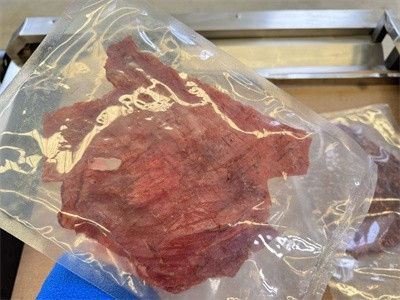
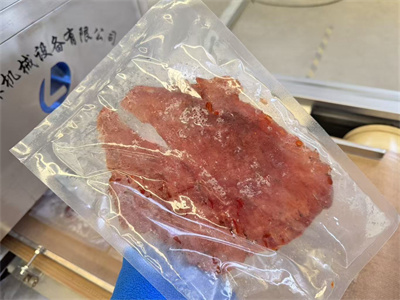
Cooked food contains moisture inside, and microwave heating can quickly generate water vapor. The pressure inside the completely sealed vacuum packaging bag rises, which can easily cause swelling, bursting, and delamination of the bag body.
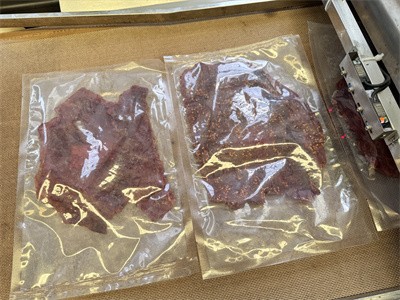
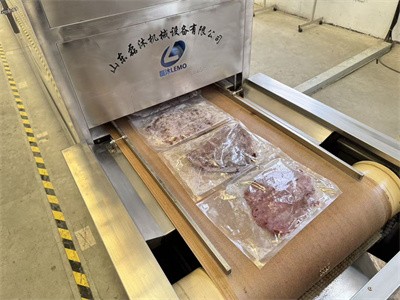
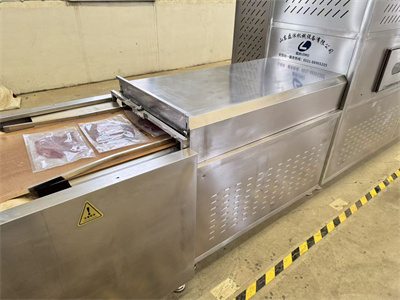
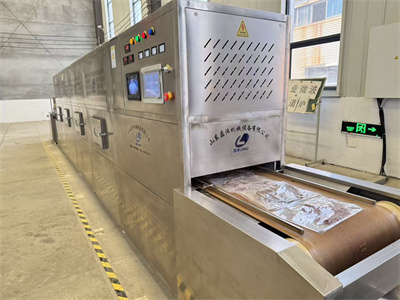
In industrial production, the process sequence can be adjusted by microwave sterilization first, followed by sealing and packaging after cooling. If the cooked food that has been fully sealed and vacuum packaged is directly sent to the microwave equipment for sterilization, it is necessary to pay attention to the product status at all times.
3、 Product form, placement, and material thickness conditions
1. The thickness of the material determines the microwave penetration effect, and it is recommended to control the thickness of a single bag of cooked food within 4cm. The thickness is too large, and the microwave cannot penetrate the center position, resulting in cold spots in the product. The center temperature cannot reach the sterilization temperature, causing the sterilization to not meet the standard.
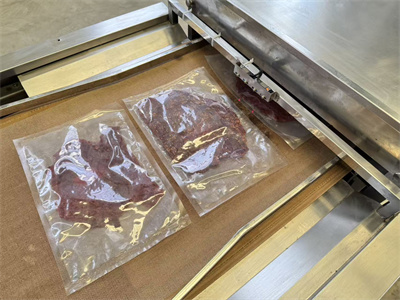
2. The packaging bags should be placed flat and stacked in multiple layers, with gaps left between the bags. Stacking can cause microwave obstruction, insufficient local heating, and uneven sterilization effects within the same batch.
3. The initial state of cooked food should be as uniform as possible, with stable moisture content and single bag weight of the materials. The moisture content of materials varies greatly, and their microwave absorption ability is different, resulting in some overheating and some insufficient temperature.
4、 Process validation and compliance conditions
1. It is not allowed to directly copy the parameters of other products. Before the new product is put into production, a small-scale test must be conducted, including cold point temperature measurement and microbial challenge testing, to confirm that the sterilization effect meets the enterprise's microbial control standards before mass production can be used.
2. Clarify product positioning: Microwave is more used for low-temperature pasteurization, suitable for locking fresh and short-term products; To achieve commercial sterility and long shelf life, it is often difficult to rely solely on microwave technology and requires coordination with other processes.
3. Cooked food that has already spoiled cannot be sterilized by microwave to break down bacterial toxins, and microwave treatment cannot be relied upon to rescue spoiled products.




 QQ
QQ