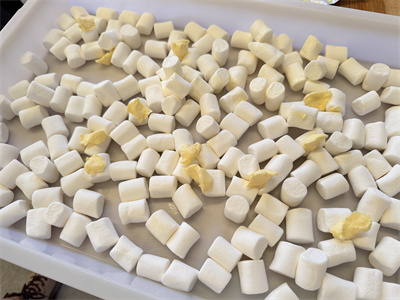
Fluffy and soft cotton candy is a popular dessert snack among the public, and it is also the core ingredient for many desserts such as snowflake puff pastry, nougat, baked noodles, etc. In deep food processing, solid marshmallows must be melted into smooth syrup before they can be used, and traditional heating methods have always been a common challenge in dessert making and mass production.
There is a common problem of low efficiency when heating cotton candy with water or open flame in daily life. Microwave heating has become a suitable melting process for the special processing requirements of marshmallows. Cotton candy has a loose and porous structure inside, mainly composed of sucrose and gum, with extremely high efficiency in absorbing microwave energy.
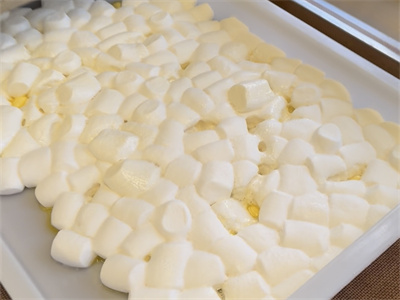
Microwave heating is different from traditional heating, as it does not rely on external heat transfer and can penetrate the entire cotton candy, allowing the molecules inside and outside the candy to vibrate synchronously and generate heat, achieving uniform overall heating and synchronous melting from the inside out. The whole process is fast, the temperature is mild, and the fluffy marshmallows can be liquefied in a short time without the occurrence of external paste, internal agglomeration, or layering.
The cotton candy syrup melted by microwave is transparent and delicate, which can well preserve the pure sweet flavor of the raw materials, without the odor caused by high-temperature processing. The method of short-term heating at the same time will not damage the sugar structure, and the melted syrup has excellent fluidity and plasticity. After cooling, the texture is soft, sticky, and tough, making it suitable for dessert making.
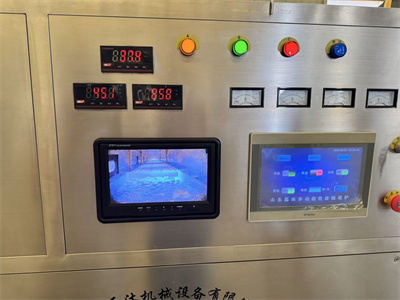
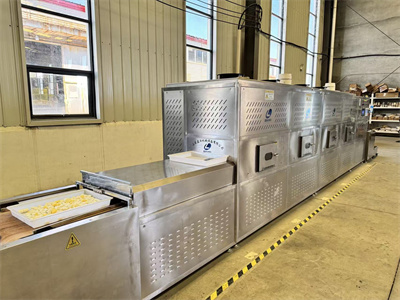
In industrial production, equipment does not require preheating, has fast speed, high degree of automation, and stable melting effect during batch processing. It not only greatly improves production efficiency, eliminates the tedious steps of manual repeated mixing and temperature control, but also continuously ensures the taste and appearance of desserts, making it a high-quality preferred process for deep processing of cotton candy.




 QQ
QQ