Wooden boards are the core raw materials for furniture manufacturing, building decoration, and handicraft processing. However, excessive moisture content and the presence of insect eggs and fungi inside are the two most common problems in the process of wood processing, storage, and use. Microwave equipment, with its unique penetrating heating characteristics, can simultaneously complete multiple processes such as drying wooden boards, killing insect eggs, and preventing mold and bacteria, making it the preferred process for wood processing today.
Natural wooden boards belong to porous biomass materials, and the internal fiber gaps not only store a large amount of free water and bound water, but also easily hide insect eggs, larvae, and various decaying molds.
The traditional hot air drying method belongs to the heat conduction heating from the outside to the inside. The thermal conductivity of wood is poor, and it is prone to problems such as surface high temperature drying and cracking, internal moisture entrapment, uneven moisture content inside and outside, and subsequent deformation, warping, cracking, moisture regain and mold growth. At the same time, the high temperature on the surface will solidify the wood fibers, locking in internal moisture, resulting in low drying efficiency and long drying time, greatly reducing the utilization rate of wood.
However, traditional chemical fumigation and insecticide soaking methods rely on chemical agents to penetrate and kill insects, which not only fail to penetrate the deep fiber gaps of wood, making it difficult to completely kill hidden insect eggs, but also cause chemical residues, pollute indoor environments, and do not meet the environmental standards of furniture and home decoration. In addition, chemical treatment can damage the original color and wood fibers of the wood, affecting subsequent processing such as polishing, painting, and bonding of the board, and cannot complete the drying process synchronously. It requires step-by-step operation and is time-consuming and labor-intensive.
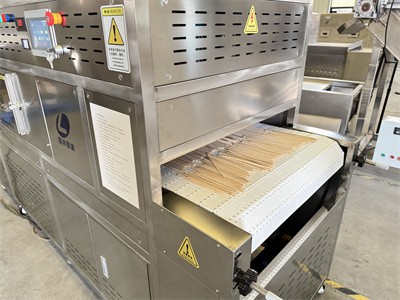
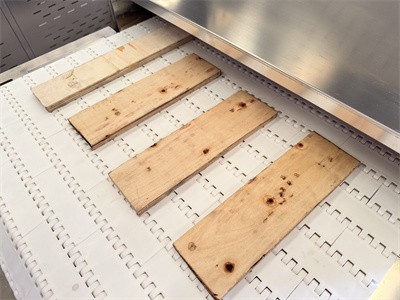
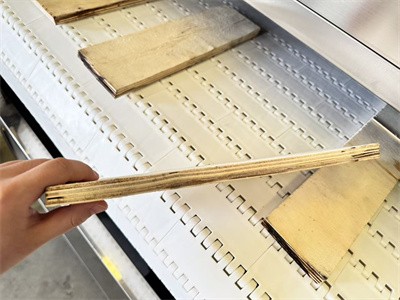
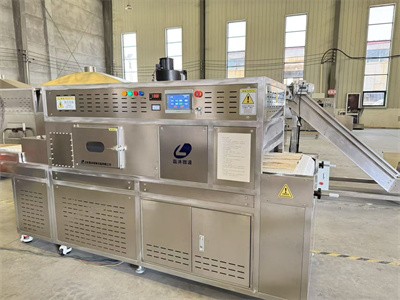
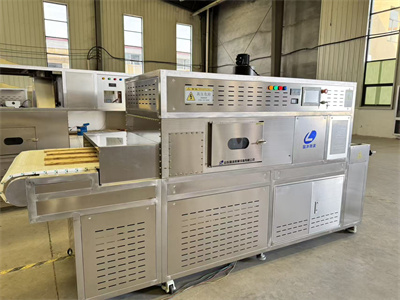
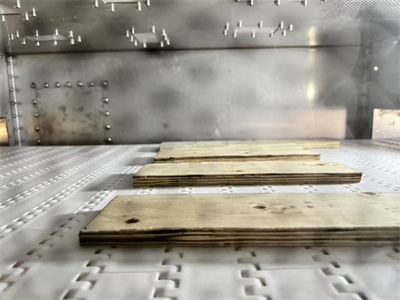
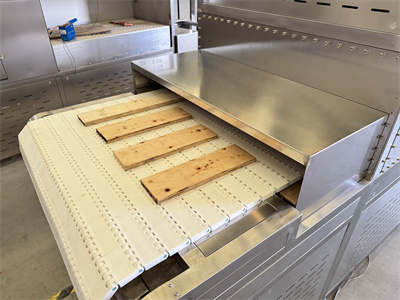
Microwave treatment of wooden boards adopts a pure physical processing method, relying on microwaves to achieve uniform treatment from the inside out, with dual effects of drying and insecticidal eggs.
Microwave energy has strong penetrability and can directly penetrate the surface of wooden boards, reaching the fibers and deep crevices inside the wood. The water molecules, insect eggs, and protein cells of fungi inside wood belong to polar molecules. Under the action of microwave high-frequency electric fields, they will vibrate, rub, and collide at high speeds billions of times per second, instantly generating uniform heat energy.
Under the effect of heat, the moisture inside the wooden board quickly vaporizes and is discharged outward, achieving uniform dehydration and precise control of the moisture content of the board; At the same time, it can quickly heat up to the lethal temperature of insect eggs and larvae, killing deep-seated harmful organisms.
Under non thermal biological effects, high-frequency microwave oscillation can directly damage the cell structure and biological activity of insect eggs and fungi, block the hatching of insect eggs and the growth of fungi, and eliminate the problems of insect infestation and mold growth.




 QQ
QQ