Aquatic feed is rich in nutrients such as protein, oil, starch, etc., with a rich nutritional structure, making it very suitable for the growth and feeding of fish and shrimp. However, this is also why the stability and storage resistance of the feed are poor when it is just processed. After granulation, puffing, and mixing, there is still a certain amount of latent moisture inside the pellets of feed. If not dried and sterilized in a timely manner, it is prone to problems such as moisture regain, softening, mold growth, insect infestation, and deterioration during storage, storage, transportation, and circulation at room temperature.
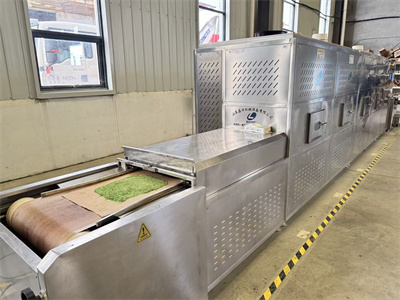
The freshly formed feed pellets contain residual heat. If they are directly bagged and sealed, the residual heat inside the bag will not dissipate, and temperature differences will cause internal condensation, forming localized high humidity areas. In the high temperature and high humidity environment of spring and summer, mold and bacteria rapidly grow and reproduce, which not only leads to clumping, souring, and dull color of feed, but also produces mycotoxins, reducing the nutritional utilization rate of feed.
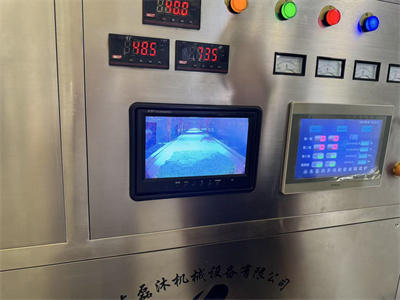
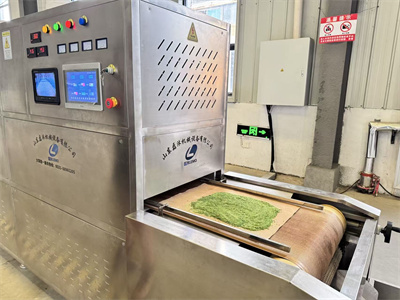
The use of microwave equipment can achieve integrated processing of drying, dehydration, sterilization, and egg killing, which is suitable for stable processing of aquatic feed in the later stage. Microwaves have the advantage of penetrating heating, which can act on the inside of feed particles, allowing water to evenly precipitate from the inside out, reducing the overall moisture content, and solving the common problem of external dryness and internal moisture retention.
At the same time, the combination of microwave thermal effect and non thermal effect can kill mold and miscellaneous bacteria in feed, inactivate dormant insect eggs in raw materials, significantly reduce the microbial base, and reduce the hidden dangers of mold and insect growth in the later stage. The entire process involves physical low-temperature treatment, which does not damage the nutritional structure of the feed and does not affect the palatability and buoyancy performance of the bait.
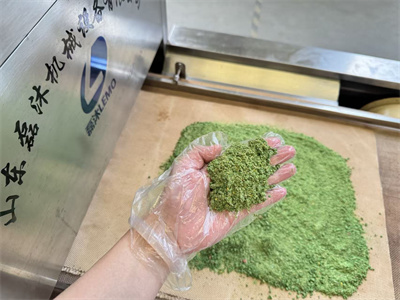
The aquatic feed processed by microwave technology has uniform and stable dryness, meets hygiene standards, significantly improves storage and shelf life, effectively extends the overall shelf life of the product, helps feed processing plants reduce waste rates, minimize after-sales problems, and enhance product market competitiveness.




 QQ
QQ